Tag: teachers

  • Comparing the Academic Results of Tormead School and St Catherine’s School, Bramley

    Tormead School and St Catherine’s School, Bramley are two well-known independent girls’ schools located near Guildford in Surrey. Both schools have strong academic reputations and consistently achieve impressive results at GCSE and A-level. Each attracts pupils from across Surrey and offers a combination of academic focus and a broad co-curricular programme.

    Tormead School
    Image
    Image
    Image
    Image

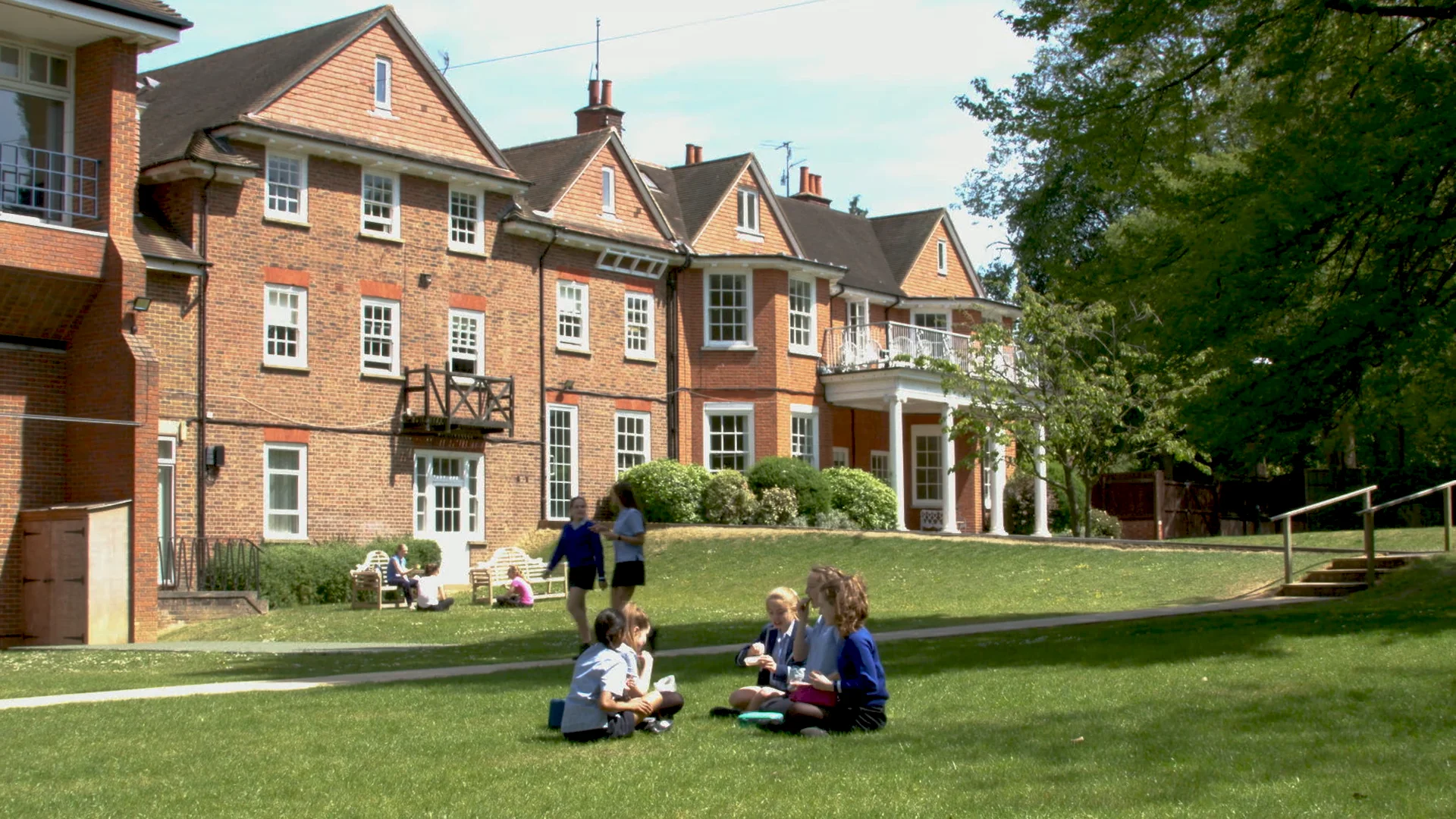
    Tormead School is an independent girls’ day school located close to the centre of Guildford. Founded in 1905, the school educates pupils from nursery through to sixth form and has developed a reputation for strong academic outcomes alongside a wide range of extracurricular opportunities.

    At GCSE level the school consistently records strong results. A large proportion of grades are achieved at 9–7, and many pupils gain several grades at 9 and 8 across their subjects. These results reflect the academic ability of the intake and the school’s emphasis on careful preparation for examinations.

    A-level results are also impressive. A significant proportion of grades are awarded at A* and A, and most results fall within the A*–B range. Pupils from Tormead regularly progress to universities across the UK, including many within the Russell Group.

    The school places considerable emphasis on balancing academic study with opportunities in sport, music, drama and leadership activities.

    St Catherine’s School, Bramley
    Image
    Image
    Image

    St Catherine’s School is an independent girls’ day and boarding school located in the village of Bramley just outside Guildford. Founded in 1885, the school combines strong academic expectations with a broad educational experience.

    At GCSE level the school achieves consistently high results. A large proportion of grades are awarded at 9–7, with many pupils achieving grades at the very highest levels. The results place the school among the stronger academic girls’ schools in Surrey.

    At A-level the outcomes are also strong. A significant percentage of grades are awarded at A* and A, and the majority of results fall within the A*–B range. Pupils regularly progress to leading universities across the UK, including institutions such as Durham, UCL and Cambridge.

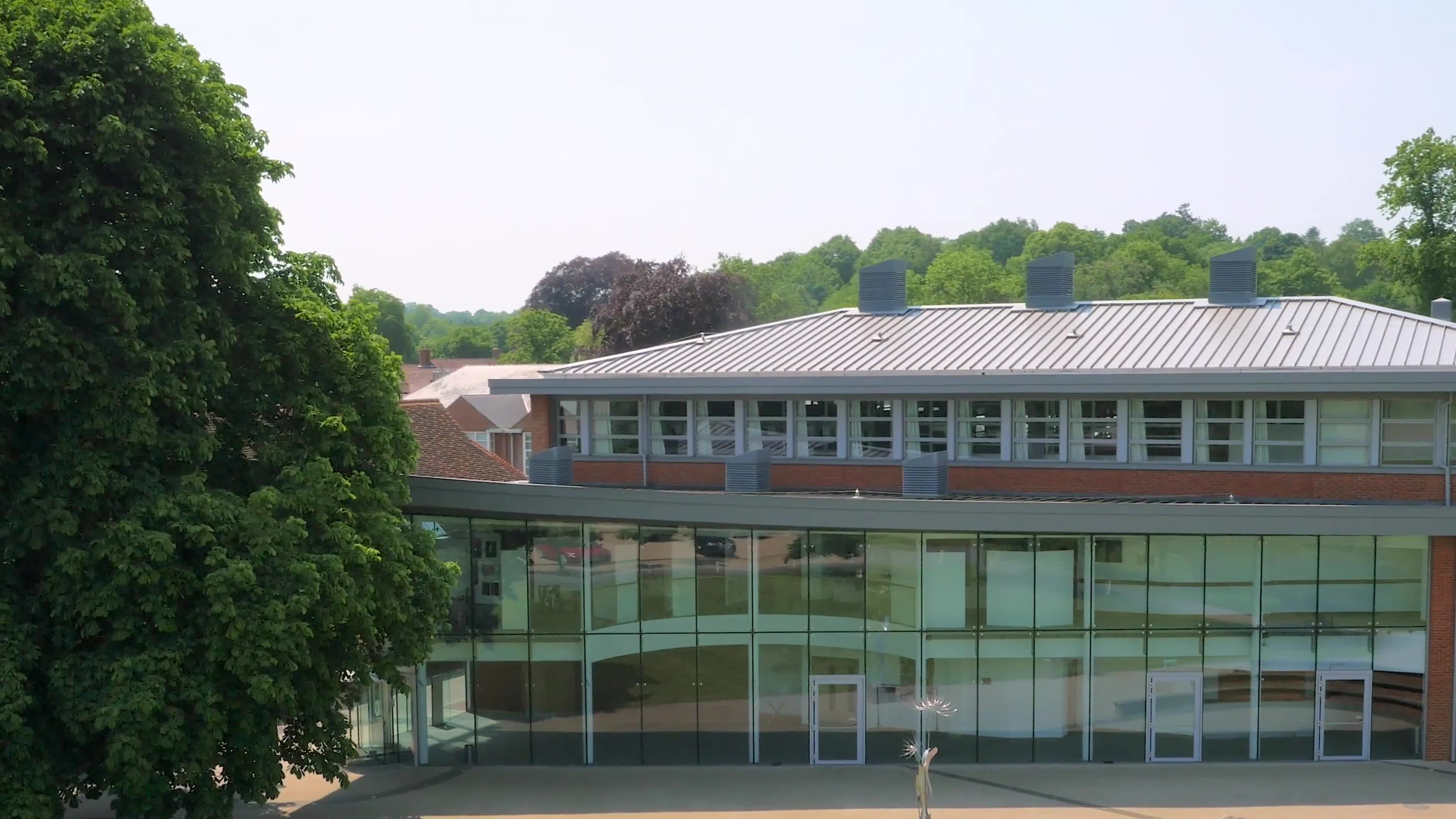
    The school’s boarding environment and extensive campus help create a distinctive atmosphere that supports both academic study and a wide range of extracurricular activities.

    Comparing the Results

    Both Tormead School and St Catherine’s School achieve strong academic outcomes and are widely regarded as leading girls’ schools in the Guildford area.

    St Catherine’s often records slightly higher proportions of top GCSE grades and strong A-level outcomes, while Tormead also achieves consistently high results and maintains an excellent academic reputation.

    The differences between the two schools are relatively small. Both attract academically able pupils and maintain high expectations in teaching and learning. Pupils at either school typically achieve strong GCSE and A-level results and progress to competitive universities across the UK.
  • Comparing the Academic Results of Guildford High School and Tormead School

    Guildford is home to several academically successful independent girls’ schools. Two of the most well-known are Guildford High School and Tormead School. Both institutions have strong academic reputations and regularly achieve impressive GCSE and A-level results, attracting pupils from across Surrey and the surrounding areas.

    Guildford High School

    Image
    Image
    Image
    Image

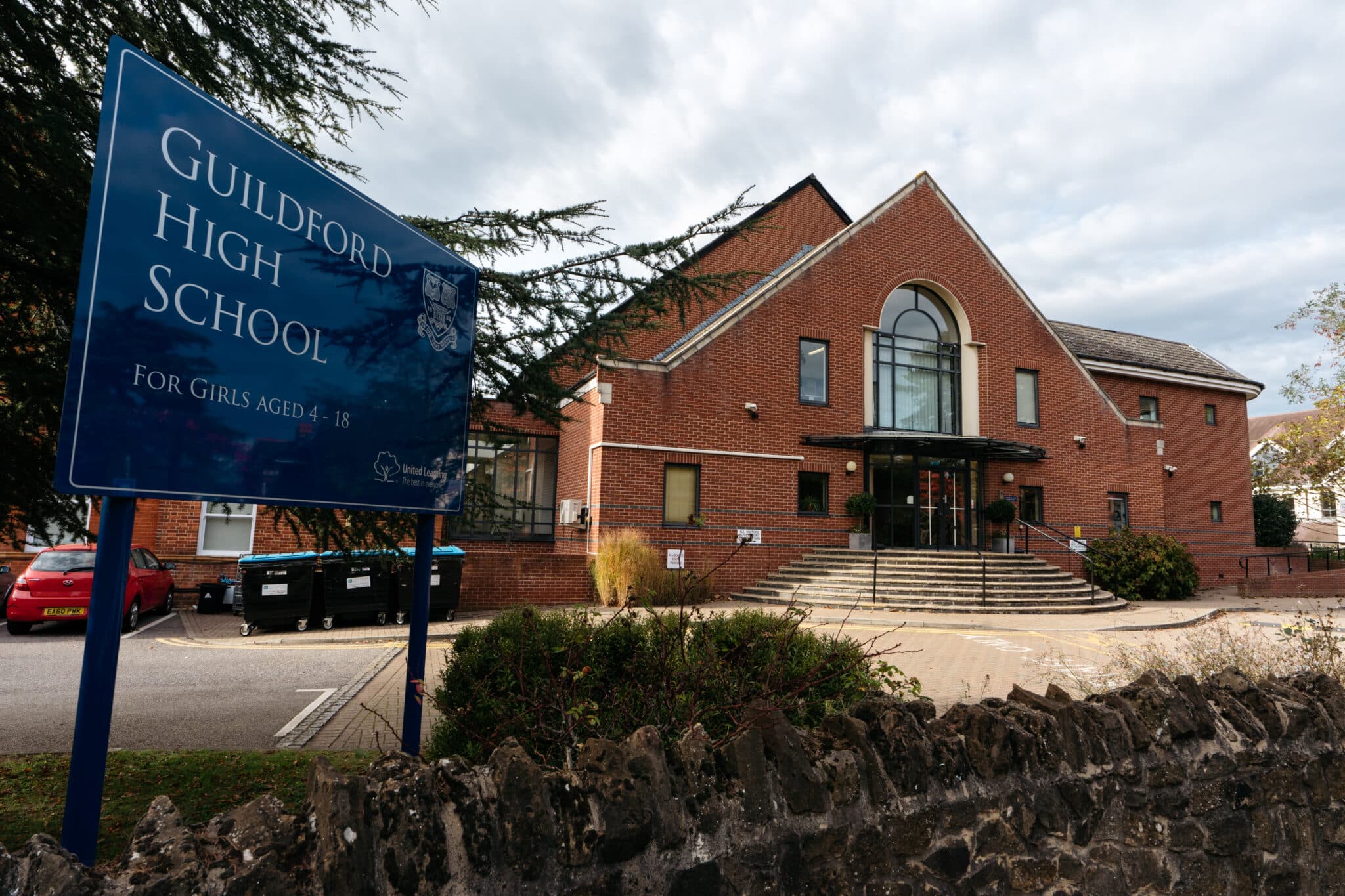
    Guildford High School is an academically selective independent girls’ school located close to the centre of Guildford. Founded in the nineteenth century, it has developed a reputation as one of the strongest academic schools in Surrey.

    At GCSE level the school regularly produces exceptional results. A very high proportion of grades are awarded at 9–8 and 9–7, and in many years pupils achieve multiple grade 9s across their subjects. These outcomes often place the school among the highest-performing independent schools nationally.

    A-level results are also extremely strong. A large proportion of grades are awarded at A* and A, with particularly high percentages of A* grades. Students from Guildford High frequently progress to leading universities, including Oxford, Cambridge and other Russell Group institutions.

    The school’s academic culture emphasises high expectations, careful preparation for examinations and strong subject teaching across the curriculum.

    Tormead School

    Image
    Image
    Image
    Image

    Tormead School is another well-established independent girls’ school in Guildford. The school educates pupils from nursery through to sixth form and has developed a strong reputation for academic achievement alongside a broad co-curricular programme.

    At GCSE level the school consistently records strong results. A large proportion of grades are achieved at 9–7, and many pupils achieve several grades at 9 and 8 across their subjects.

    At A-level the results are also impressive. A significant proportion of grades are awarded at A* and A, and the majority of results fall within the A*–B range. Pupils from Tormead regularly move on to universities across the UK, including many Russell Group institutions.

    The school places strong emphasis on supporting pupils academically while also encouraging participation in sport, music, drama and other activities.

    Comparing the Results

    Both Guildford High School and Tormead School achieve excellent academic outcomes and are widely regarded as leading girls’ schools in Surrey.

    Guildford High School typically records slightly higher proportions of the very top GCSE grades and often appears higher in national league tables. Tormead School also produces very strong examination outcomes and maintains consistently high A-level performance.

    The differences between the schools are relatively modest. Both attract academically able pupils and maintain a culture in which strong examination performance is expected. Pupils at either school generally achieve high GCSE and A-level results and progress to competitive universities across the UK.

  • Comparing the Academic Results of St Catherine’s School, Bramley and Guildford High School

    Guildford and the surrounding villages are home to several highly successful independent girls’ schools. Two of the most academically respected are St Catherine’s School in Bramley and Guildford High School. Both schools attract academically strong pupils and regularly produce excellent GCSE and A-level results, placing them among the leading girls’ schools in Surrey.

    St Catherine’s School, Bramley

    Image
    Image
    Image

    St Catherine’s School, Bramley is an independent girls’ day and boarding school located in the village of Bramley just outside Guildford. Founded in 1885, the school has developed a reputation for strong academic outcomes combined with a broad co-curricular programme.

    At GCSE level the school achieves consistently high results. In recent examinations around 79% of all GCSE grades were between 9 and 7, with about 59% at grades 9–8 and roughly one-third of all grades at 9. These figures indicate that the majority of pupils achieve the highest grades.

    A-level outcomes are similarly strong. Around 30% of grades are awarded at A*, about 70% are A*–A and over 90% of grades are A*–B. These results place the school among the stronger academic girls’ schools in the independent sector. Pupils regularly progress to leading universities including Cambridge, Durham, UCL and Imperial College London.

    The school combines strong academic performance with a broad curriculum and an active sixth-form environment. Many pupils go on to study a wide range of subjects at university including sciences, economics, languages and medicine.

    Guildford High School

    Image
    Image
    Image
    Image

    Guildford High School is one of the best-known girls’ schools in Surrey. The school is academically selective and has built a strong reputation for producing exceptional GCSE and A-level results.

    At GCSE level Guildford High regularly achieves extremely high proportions of grades at 9–8 and 9–7. Pupils frequently achieve multiple grade 9s across their subjects, and the school often appears near the top of national GCSE league tables.

    A-level results are also very strong. A large proportion of grades are awarded at A* and A, with a particularly high percentage of A* grades in many years. Students from the school regularly progress to leading universities across the UK, including Oxford, Cambridge and other Russell Group institutions.

    The school’s academic environment emphasises rigorous teaching, careful preparation for examinations and strong support for university applications.

    Comparing the Results

    Both schools produce excellent academic outcomes and consistently rank among the strongest independent schools in Surrey.

    St Catherine’s School, Bramley records very strong GCSE and A-level outcomes, with high proportions of grades at the top levels and strong university destinations. Guildford High School often records slightly higher proportions of the very highest GCSE grades and frequently appears near the top of national league tables.

    Overall the difference between the two schools is relatively small. Both attract academically able pupils, provide strong teaching and maintain a culture in which high academic achievement is expected. Pupils at either school typically achieve excellent examination results and progress to highly competitive universities.

  • Comparing the Academic Results of Guildford High School and the Royal Grammar School, Guildford

    Guildford is home to two of Surrey’s most academically successful schools: Guildford High School and the Royal Grammar School, Guildford. Both institutions have long reputations for academic excellence and regularly produce outstanding examination results at GCSE and A-level. Although they differ in structure and tradition, their results place them among the highest-performing schools in the region.

    Guildford High School

    Image
    Image
    Image
    Image

    Guildford High School is an independent girls’ school founded in 1888. It is academically selective and has built a strong reputation for producing exceptional examination results.

    At GCSE level the school consistently achieves extremely high outcomes. A very large proportion of grades are awarded at 9–8, and in some years the school has ranked among the strongest GCSE performers nationally. Pupils frequently achieve strings of top grades across their subjects.

    At A-level the results are equally impressive. A significant proportion of grades are awarded at A* and A, with a particularly strong percentage at A*. The school’s academic culture emphasises depth of understanding, careful preparation for examinations and strong subject support from teachers.

    Students from Guildford High regularly progress to leading universities, including Oxford, Cambridge and other Russell Group institutions. Competitive courses such as medicine, natural sciences and law are common destinations for leavers.

    Royal Grammar School, Guildford

    Image
    Image

    The Royal Grammar School, Guildford is one of the most historic schools in England, with origins dating back to the sixteenth century. It is a selective boys’ school with a long tradition of scholarship and academic achievement.

    The school’s GCSE results are consistently very strong. A large proportion of grades are achieved at the highest levels, with many pupils securing multiple grades at 9 and 8. The results reflect both the academic selectivity of the intake and the school’s emphasis on rigorous study.

    At A-level, the Royal Grammar School also produces outstanding results. A substantial percentage of grades are awarded at A* and A, and many pupils leave with exceptionally strong subject profiles. The school frequently appears in national league tables for sixth-form performance.

    University destinations are similarly impressive. Each year a number of students gain places at Oxford and Cambridge, while many others progress to leading universities across the UK to study subjects ranging from engineering and mathematics to economics and medicine.

    Comparing the Results

    Both schools operate at the very top end of academic performance in Surrey. Guildford High School often records slightly higher proportions of the very highest GCSE grades, while the Royal Grammar School regularly produces extremely strong A-level results and large numbers of A*–A grades.

    The differences between the two schools are relatively small when viewed overall. Both attract academically able pupils, provide strong teaching and maintain a culture in which high academic achievement is expected. As a result, examination results at both institutions consistently rank among the strongest in the region and nationally.

  • Comparing the Facilities at Cobham Free School and Claremont Fan Court School

    Both Cobham Free School and Claremont Fan Court School are schools located in Surrey that provide facilities designed to support academic study, sport and extracurricular activities. However, the two schools differ significantly in the scale of their campuses and the range of facilities available, reflecting their different histories and development.

    Campus Setting and Environment

    Cobham Free School is located on the edge of Cobham in a purpose-built campus designed for modern secondary and sixth-form education. The buildings are relatively new and organised around a compact site that allows pupils to move easily between classrooms, laboratories and communal spaces. The campus has a modern feel, with facilities designed specifically for contemporary teaching methods.

    Claremont Fan Court School is set within a very large historic estate in Esher. The campus includes the historic Claremont Mansion along with a range of modern academic buildings, all surrounded by extensive parkland. The grounds include woodland, landscaped gardens and large playing fields, giving the school a spacious and traditional independent school setting.

    Academic and Classroom Facilities

    Cobham Free School offers modern classrooms equipped with digital presentation technology and flexible layouts. The teaching spaces were designed as part of the school’s construction and support collaborative learning as well as more traditional teaching methods. Departments are located close together, which creates a compact and efficient learning environment.

    Claremont Fan Court School has a wide range of academic buildings spread across its large campus. Subject departments such as science, humanities and languages operate from dedicated teaching areas. Classrooms are modern and well equipped, allowing teachers to make use of digital technology and specialist resources.

    Science and Technology Resources

    Science facilities at Cobham Free School include modern laboratories designed for teaching biology, chemistry and physics. These labs support practical experiments required for GCSE and A-level courses and include preparation areas and specialist equipment. The school also provides computing suites and technology rooms that support digital learning and computer science.

    Claremont Fan Court School has extensive science facilities with multiple laboratories used for practical work in the sciences. The science department includes preparation rooms and equipment that support advanced experiments at GCSE and A-level. The school also provides well-developed computing and design technology facilities where pupils can work on engineering, digital design and technology projects.

    Sports Facilities

    Cobham Free School provides sports facilities suitable for a modern secondary school campus. Indoor sports halls allow pupils to take part in activities such as basketball, badminton and fitness training. Outdoor sports fields are used for football, rugby and other team sports.

    Claremont Fan Court School benefits from very extensive sports facilities due to the size of its estate. The campus includes multiple playing fields used for rugby, football and cricket, as well as tennis courts and other sports areas. Indoor sports halls and training facilities support physical education lessons and competitive sports teams.

    Performing Arts and Creative Facilities

    Cobham Free School supports the performing arts through music rooms, rehearsal spaces and performance areas used for concerts and school productions. These facilities allow pupils to take part in ensembles, drama productions and creative activities.

    Claremont Fan Court School also has strong facilities for music and drama. The campus includes rehearsal rooms, music practice spaces and theatre facilities used for performances and productions throughout the school year.

    Co-Curricular and Student Facilities

    Both schools provide opportunities for pupils to take part in activities beyond the classroom.

    At Cobham Free School, pupils can join clubs covering academic subjects, sport, music and drama. The compact campus allows these activities to take place easily within the school buildings and sports areas.

    Claremont Fan Court School offers a particularly wide range of co-curricular opportunities supported by its large campus. Clubs and societies include sports teams, music ensembles, drama productions and academic societies, many of which take place across different areas of the estate.

    Overall Comparison

    Cobham Free School provides modern purpose-built facilities designed for contemporary teaching and learning within a compact campus. The buildings are relatively new and well suited to a modern secondary school environment.

    Claremont Fan Court School operates from a much larger historic estate with extensive grounds and a wide range of academic and sporting facilities. The size of the campus allows the school to provide significant outdoor sports provision alongside modern teaching spaces.

    Both schools offer strong learning environments, though Cobham Free School emphasises modern, purpose-built facilities on a smaller site, while Claremont Fan Court School offers a much larger campus with extensive grounds and a broader range of facilities.

  • Comparing the Facilities at Bolton School and Bridgewater School, Manchester

    Both Bolton School and Bridgewater School are independent schools in the Greater Manchester area. Each provides facilities designed to support academic learning, sport, performing arts and extracurricular activities. However, the scale of the campuses and the range of facilities available differ significantly between the two schools.

    Campus Setting and Environment

    Bolton School is located on a very large campus in Bolton and is one of the largest independent school sites in the country. The campus is set within extensive grounds and includes a wide range of academic buildings, sports fields and specialist facilities. The size of the site allows the school to offer a broad range of resources across both academic and extracurricular areas.

    Bridgewater School is located in Worsley near Manchester and occupies a smaller campus set within landscaped grounds. The site includes a mixture of modern and traditional buildings arranged around open spaces and sports areas. While the campus is more compact than Bolton School’s, it still provides a pleasant and well-maintained learning environment.

    Academic and Classroom Facilities

    Bolton School provides extensive academic facilities across its campus. Departments such as science, mathematics, languages and humanities operate from dedicated buildings or specialist teaching areas. Classrooms are equipped with modern technology that supports interactive teaching and collaborative learning.

    Bridgewater School also offers modern classrooms designed to support a broad curriculum. Teaching spaces are well equipped with digital presentation technology and flexible layouts that allow different teaching approaches. Subject departments operate from specialist rooms where appropriate.

    Science and Technology Resources

    Science facilities at Bolton School are particularly extensive. The campus includes numerous laboratories used for teaching biology, chemistry and physics at GCSE and A-level. Preparation rooms and specialist equipment allow students to carry out complex practical experiments. The school also has well-developed facilities for computing, engineering and design technology.

    Bridgewater School provides science laboratories that support practical teaching across the sciences. These laboratories allow pupils to carry out experiments and investigations required at GCSE and A-level. Technology and computing facilities also support digital learning and design-based subjects.

    Sports Facilities

    Sport is a major strength at Bolton School due to the size of its campus. The school has extensive playing fields used for rugby, football and cricket, along with athletics facilities, tennis courts and training areas. Indoor facilities include sports halls, fitness suites and a swimming pool. These facilities support a large programme of competitive and recreational sport.

    Bridgewater School also provides strong sporting facilities within its grounds. The campus includes playing fields for football, rugby and cricket, as well as courts used for tennis and netball. Indoor sports halls support activities such as basketball, badminton and fitness training.

    Performing Arts and Creative Facilities

    Bolton School has significant facilities for music and drama. The campus includes dedicated theatre spaces, rehearsal rooms and music practice areas that allow pupils to participate in orchestras, choirs and dramatic productions. These facilities support a wide programme of concerts and performances throughout the year.

    Bridgewater School also supports the performing arts with rehearsal spaces and performance areas used for concerts and drama productions. Music rooms allow pupils to practise instruments and take part in ensembles, while drama productions take place in school performance spaces.

    Co-Curricular and Student Facilities

    Both schools offer a wide range of extracurricular activities supported by their facilities.

    At Bolton School, the size of the campus allows numerous clubs and societies to run simultaneously. Pupils can participate in activities ranging from academic societies and debating to music, drama, sport and outdoor pursuits.

    Bridgewater School also provides a broad co-curricular programme that includes sports teams, music groups, drama productions and academic clubs. Facilities across the campus allow pupils to take part in these activities during and after the school day.

    Overall Comparison

    Bolton School benefits from a very large campus with extensive academic buildings, specialist teaching spaces and significant sports facilities. The scale of the campus allows the school to offer a wide range of opportunities across academic, sporting and creative areas.

    Bridgewater School operates from a smaller but well-maintained campus that still provides strong facilities for teaching, sport and the performing arts. While the scale of the facilities is more modest than at Bolton School, the school offers a well-rounded environment for learning and extracurricular activity.

    Both schools therefore provide strong facilities for pupils, though Bolton School stands out for the size and breadth of its campus and resources, while Bridgewater School offers a more compact but well-equipped independent school environment.

  • Comparing the Facilities at Claremont Fan Court School and Hampton Court House

    Both Claremont Fan Court School and Hampton Court House are independent schools located close to the River Thames in Surrey. Each school provides facilities that support academic learning, sport, performing arts and extracurricular activities. However, the scale and setting of their campuses differ significantly, which shapes the type and range of facilities available.

    Campus Setting and Environment

    Claremont Fan Court School is located within a large historic estate in Esher, set within extensive parkland. The campus includes the historic Claremont Mansion as well as a number of modern academic buildings. The grounds provide a spacious and green environment, with large playing fields, woodland and landscaped areas. The scale of the site allows the school to offer a wide range of facilities within a single campus.

    Hampton Court House is located near Hampton Court Palace in East Molesey. The school occupies a smaller and more compact campus made up of historic buildings and modern teaching spaces. The setting has a distinctive character due to its proximity to the palace and the surrounding historic area, giving the school a unique atmosphere within a more urban environment.

    Academic and Classroom Facilities

    Claremont Fan Court School provides a wide range of teaching facilities across its large campus. Classrooms are located in specialist buildings dedicated to different subject areas. The school includes modern teaching rooms equipped with digital technology that supports interactive lessons and collaborative learning.

    Hampton Court House also offers well-equipped classrooms, though on a smaller scale. Teaching spaces are located within both historic and modern buildings. Classrooms support a wide range of subjects and are designed to encourage discussion and creative learning, reflecting the school’s distinctive educational approach.

    Science and Technology Resources

    Science facilities at Claremont Fan Court School include laboratories designed for practical work in biology, chemistry and physics. The labs are equipped with preparation areas and specialist equipment for experiments required at GCSE and A-level. The school also provides computing rooms and design technology spaces where pupils can work on digital and engineering projects.

    Hampton Court House provides science laboratories that support practical science teaching across the secondary years. While the number of laboratories is smaller than at Claremont, they are equipped for practical experiments and investigations. Technology and computing facilities allow pupils to develop digital skills and work on creative technology projects.

    Sports Facilities

    Sport is an important part of life at Claremont Fan Court School, and the large estate allows the school to provide extensive sporting facilities. These include multiple playing fields used for football, rugby and cricket, as well as courts for tennis and netball. Indoor sports facilities include sports halls and training areas used for physical education and team practice.

    Hampton Court House provides sports facilities suited to its smaller campus. The school has sports areas and courts used for physical education and games. Due to the compact site, some sports activities make use of nearby local facilities and outdoor areas. This allows pupils to take part in a range of sports despite the limited on-site space.

    Performing Arts and Creative Facilities

    Claremont Fan Court School has strong facilities for music and drama. The campus includes rehearsal rooms, music practice spaces and performance areas used for concerts and productions. Drama activities take place in dedicated theatre spaces that support school productions and performances.

    Hampton Court House also supports music and drama through performance spaces used for concerts, assemblies and productions. Music rooms allow pupils to rehearse and practise instruments, while drama activities take place in spaces used for rehearsals and performances.

    Co-Curricular and Student Facilities

    Both schools offer a range of extracurricular activities supported by their facilities.

    At Claremont Fan Court School, the large campus allows a wide variety of clubs and societies to take place across different areas of the site. Pupils can participate in sports teams, music groups, drama productions, academic societies and outdoor activities.

    Hampton Court House also provides a strong co-curricular programme. Clubs include music, drama, academic activities and sport. Facilities across the campus allow pupils to take part in these activities both during the school day and after school.

    Overall Comparison

    Claremont Fan Court School benefits from a very large campus with extensive grounds and a wide range of facilities for sport, science and extracurricular activities. The size of the estate allows the school to provide spacious academic buildings and significant outdoor sports provision.

    Hampton Court House operates from a smaller and more historic campus close to Hampton Court Palace. While the facilities are more compact, the school provides well-equipped classrooms and creative learning spaces that support its distinctive educational approach.

    Both schools therefore offer strong facilities for pupils, though Claremont Fan Court School provides a larger campus with extensive sports grounds and specialist buildings, while Hampton Court House offers a smaller but distinctive learning environment in a historic setting.

  • Comparing the Facilities at Sutton Grammar School and Hinchley Wood School

    Both Sutton Grammar School and Hinchley Wood School are well-regarded state secondary schools in south-west London and Surrey. Sutton Grammar is a selective grammar school for boys, while Hinchley Wood School is a comprehensive co-educational school. Each provides facilities to support academic study, sport, performing arts and a wide range of extracurricular activities, although their campuses differ in scale and organisation.

    Campus Setting and Environment

    Sutton Grammar School is located in the centre of Sutton close to the town’s transport links. The campus has developed over many years and includes a mixture of historic and modern buildings. Although the site is relatively compact compared with some suburban schools, it is well organised and provides dedicated areas for academic departments and student activities.

    Hinchley Wood School is situated in a residential area of Hinchley Wood in Surrey, close to the railway station. The campus is larger and more open than Sutton Grammar’s site, with teaching buildings arranged around shared outdoor spaces and sports areas. The setting gives the school a strong community atmosphere and easy access to outdoor facilities.

    Academic and Classroom Facilities

    Sutton Grammar School provides well-equipped classrooms with modern teaching technology. Departments are located in specialist areas across the campus, allowing subjects such as mathematics, science, languages and humanities to operate from dedicated teaching spaces. The school also provides quiet study areas used by sixth form students.

    Hinchley Wood School also offers modern classrooms designed to support a wide range of teaching styles. Many rooms include digital presentation technology and flexible layouts that allow collaborative learning. Subject departments occupy dedicated areas of the campus, helping pupils access resources and specialist teaching equipment.

    Science and Technology Resources

    Science is a major strength at Sutton Grammar School, and the campus includes multiple laboratories used for teaching biology, chemistry and physics through GCSE and A-level. These labs are equipped with preparation areas and specialist equipment for practical experiments. The school also provides computing rooms and technology facilities that support programming, design and engineering projects.

    Hinchley Wood School has well-equipped science laboratories that support practical science teaching across Key Stage 3 and GCSE. The labs allow pupils to carry out experiments and investigations as part of their science courses. Technology and computing facilities are also available to support subjects such as computer science and design technology.

    Sports Facilities

    Sport is an important part of life at both schools.

    Sutton Grammar School provides indoor sports halls and courts used for activities such as basketball, badminton and fitness training. Due to the town-centre location, some outdoor sports facilities are located at nearby playing fields rather than directly on the main school site.

    Hinchley Wood School benefits from larger on-site outdoor playing fields. These fields support sports such as football, rugby, cricket and athletics. Indoor sports halls and courts are used for physical education lessons and extracurricular sports teams.

    Performing Arts and Creative Facilities

    Sutton Grammar School supports music and drama through rehearsal rooms, music classrooms and performance spaces used for concerts and productions. Pupils can participate in orchestras, choirs and drama performances throughout the year.

    Hinchley Wood School also has strong performing arts provision. The campus includes theatre and performance spaces used for drama productions, assemblies and concerts. Music rooms provide rehearsal spaces for ensembles and instrumental tuition.

    Co-Curricular and Student Facilities

    Both schools offer a wide range of extracurricular activities supported by their facilities.

    At Sutton Grammar School, pupils can take part in clubs and societies covering academic subjects, debating, music, sport and technology. Study spaces and classrooms are used after school for many of these activities.

    Hinchley Wood School also offers a broad co-curricular programme including sports teams, music groups, drama productions and academic clubs. The campus facilities allow these activities to take place across different parts of the school throughout the day.

    Overall Comparison

    Sutton Grammar School operates from a compact town-centre campus with strong academic facilities, particularly in science and mathematics. Its sporting provision often makes use of nearby playing fields due to the limited space on the main site.

    Hinchley Wood School benefits from a larger suburban campus with more on-site outdoor sports facilities and open space. The school combines modern classrooms, science laboratories and sports areas within a well-organised campus.

    Both schools therefore offer good facilities for pupils, though Sutton Grammar emphasises strong academic infrastructure within a compact urban site, while Hinchley Wood School provides a larger campus with extensive outdoor space and sporting facilities.

  • Comparing the Facilities at Three Rivers Academy and Salesian School

    Both Three Rivers Academy and Salesian School are secondary schools located in Surrey that provide facilities to support academic learning, sport, performing arts and extracurricular activities. While both schools serve their local communities and offer a broad curriculum, their campuses differ in scale, layout and the way their facilities have developed.

    Campus Setting and Environment

    Three Rivers Academy is located in Hersham on a relatively large campus with a number of modern teaching buildings. The school has undergone redevelopment in recent years, resulting in updated facilities and newer buildings designed for contemporary teaching. The site includes open spaces and playing fields that provide room for sport and outdoor activities.

    Salesian School is located in Chertsey and operates from a long-established campus with a mixture of traditional and newer buildings. The school grounds include playing fields and open areas that support sport and recreation. The campus has a strong community atmosphere and reflects the school’s long history in the area.

    Academic and Classroom Facilities

    Three Rivers Academy has modern classrooms designed to support interactive learning. Many teaching spaces include digital presentation technology and flexible seating arrangements that allow different teaching styles. Subject departments are located in specialist areas, giving pupils access to resources specific to each subject.

    Salesian School also offers well-equipped classrooms with digital teaching technology. Departments are organised into subject areas across the campus, allowing pupils to learn in spaces designed for particular subjects. The school’s facilities support a wide curriculum from Key Stage 3 through to sixth form.

    Science and Technology Resources

    Science facilities at Three Rivers Academy include laboratories used for teaching biology, chemistry and physics. These labs are equipped for practical work required at GCSE and A-level. The school also provides computing suites and technology rooms that support subjects such as computer science and design technology.

    Salesian School has a strong science department with laboratories designed for practical experiments and demonstrations. The facilities include preparation areas and equipment that allow students to carry out investigative work as part of their science courses. Technology and computing spaces support digital learning and creative design work.

    Sports Facilities

    Sport plays an important role in the life of both schools.

    Three Rivers Academy provides outdoor playing fields that support sports such as football, rugby and athletics. Indoor facilities include sports halls used for basketball, badminton and general physical education lessons.

    Salesian School also offers a wide range of sporting facilities. The campus includes playing fields used for football, rugby and cricket, as well as indoor sports halls that support activities such as basketball, badminton and fitness training. The school has a strong tradition of competitive sport within local leagues.

    Performing Arts and Creative Facilities

    Three Rivers Academy supports performing arts through spaces used for drama productions, assemblies and concerts. Music rooms allow pupils to practise instruments and take part in ensembles, while drama rehearsals and performances take place in performance areas within the school.

    Salesian School also places emphasis on music and drama. The school provides rehearsal rooms and performance spaces used for concerts and productions. These facilities support choirs, orchestras and drama activities throughout the school year.

    Co-Curricular and Student Facilities

    Both schools provide opportunities for pupils to participate in activities beyond the classroom.

    At Three Rivers Academy, pupils can take part in clubs covering sport, music, drama, technology and academic interests. The school’s facilities allow these activities to take place both during the day and after school.

    Salesian School also offers a wide range of clubs and societies, including sports teams, performing arts groups and academic clubs. Facilities across the campus support these activities and encourage students to take part in the wider life of the school.

    Overall Comparison

    Three Rivers Academy benefits from modern teaching buildings and updated facilities that support contemporary learning environments. Its campus includes open space for sport and extracurricular activities alongside modern classrooms and laboratories.

    Salesian School operates from a well-established campus with a mixture of traditional and modern facilities. The school offers strong sporting provision and well-developed academic facilities that support a broad curriculum.

    Both schools therefore provide good facilities for students, with Three Rivers Academy offering newer buildings and modern learning spaces, while Salesian School combines established facilities with a strong sporting and community tradition.

  • Comparing the Facilities at Esher High School and Hinchley Wood School

    Both Esher High School and Hinchley Wood School are well-regarded state secondary schools in Surrey. Each school provides a broad range of facilities designed to support academic learning, sport, performing arts and extracurricular activities. While both campuses offer strong resources for pupils, their layouts and scale differ slightly.

    Campus Setting and Environment

    Esher High School is located on a spacious site in Esher, surrounded by residential areas and green space. The campus has developed over time and includes a combination of older buildings and newer teaching blocks. The layout allows different subject departments to operate from dedicated areas while still maintaining a connected school environment.

    Hinchley Wood School is situated in the suburb of Hinchley Wood, close to the railway station and residential neighbourhoods. The campus has a compact but well-organised layout, with modern teaching buildings arranged around shared open spaces and sports areas. The environment has a strong community feel and is closely connected to the local area.

    Academic and Classroom Facilities

    Esher High School provides a wide range of teaching spaces across several buildings. Classrooms are equipped with digital teaching technology that supports interactive lessons and presentations. Subject departments such as science, mathematics and humanities operate from specialist areas that allow teachers to use subject-specific resources during lessons.

    Hinchley Wood School also offers well-equipped classrooms with modern teaching technology. Departments are located in specialist areas of the campus, enabling pupils to learn in spaces designed for particular subjects. The school has invested in updated teaching spaces to support collaborative learning and independent study.

    Science and Technology Resources

    Science facilities at Esher High School include laboratories used for teaching biology, chemistry and physics at GCSE level. These labs are designed for practical work and include equipment for experiments and investigations. The school also provides computing rooms and technology spaces that support digital learning and design-based subjects.

    Hinchley Wood School has well-equipped science laboratories that support practical science teaching across key stages. The science department includes preparation areas and equipment needed for GCSE experiments. Technology and computing facilities allow pupils to develop skills in programming, design and digital technology.

    Sports Facilities

    Sport is an important part of school life at both schools.

    Esher High School benefits from outdoor playing fields that support sports such as football, rugby and athletics. The campus also includes courts and indoor sports halls used for physical education, basketball, badminton and other activities.

    Hinchley Wood School also provides strong sports facilities. Outdoor playing fields allow pupils to take part in football, rugby and cricket, while indoor sports halls support a variety of team and individual sports. These facilities are used for both physical education lessons and extracurricular sports teams.

    Performing Arts and Creative Facilities

    Esher High School supports music and drama through performance spaces used for concerts, assemblies and productions. Music rooms allow pupils to practise instruments and take part in ensembles, while drama activities take place in spaces used for rehearsals and performances.

    Hinchley Wood School also places strong emphasis on the performing arts. The school includes theatre and performance areas used for school productions and concerts. Music facilities provide rehearsal rooms and spaces for ensembles and instrumental lessons.

    Co-Curricular and Student Facilities

    Both schools offer a variety of clubs and activities supported by their facilities.

    At Esher High School, pupils can participate in sports teams, music groups, drama productions and academic clubs. Facilities across the campus allow these activities to take place both during and after the school day.

    Hinchley Wood School also offers a broad co-curricular programme including sports teams, performing arts groups and academic societies. The school’s facilities support these activities and encourage pupils to take part in a wide range of interests beyond the classroom.

    Overall Comparison

    Esher High School provides a spacious campus with a mixture of traditional and modern buildings, offering strong facilities for academic learning, sport and creative activities.

    Hinchley Wood School has a slightly more compact campus but provides well-organised teaching spaces and strong facilities for sport and the performing arts.

    Both schools therefore offer good resources for pupils, with Esher High School benefiting from a slightly larger site, while Hinchley Wood School provides a well-developed campus with modern facilities in a strong community setting.