Tag: writing

  • Comparing Sport at Tormead School and St Catherine’s School, Bramley

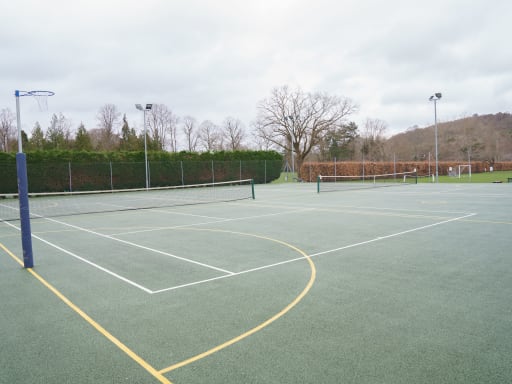
    Sport plays an important role in the life of both Tormead School and St Catherine’s School, Bramley. While both independent girls’ schools offer a wide range of sporting opportunities and strong participation levels, their sporting programmes reflect different facilities, traditions and school environments.

    Tormead School

    Image
    Image
    Image

    Tormead School places strong emphasis on participation in sport and encourages pupils to take part in physical activity throughout their school career. The school offers a broad programme of sports through both curriculum lessons and extracurricular clubs.

    Key sports at the school include hockey, netball, lacrosse, tennis, athletics and cricket. Hockey and netball in particular form central parts of the winter sporting programme, with teams competing against other independent schools across Surrey and the South East.

    The school also encourages participation in athletics and cross country, with pupils regularly competing in inter-school competitions and regional events. Tennis and cricket are typically prominent summer sports.

    Although Tormead is located close to the centre of Guildford and has a relatively compact campus, the school makes use of sports grounds and facilities to support its teams and training sessions. The focus is often on encouraging wide participation alongside competitive school teams.

    St Catherine’s School, Bramley

    Image
    Image
    Image
    Image

    Sport is also a major part of school life at St Catherine’s School in Bramley. The school’s large campus and extensive grounds provide significant space for outdoor sports and training.

    The main competitive sports include hockey, netball, tennis, cricket, athletics and rounders. Hockey is particularly strong and forms the centre of the winter sports programme, with multiple teams competing across different age groups.

    Netball is also a major sport within the school, with regular fixtures against other independent schools. In the summer term pupils typically participate in tennis, athletics and cricket.

    The school’s facilities include extensive playing fields and dedicated sports areas, which allow for a wide range of training sessions and inter-school competitions. Boarding pupils also contribute to the sporting culture, as many participate in training and matches beyond normal school hours.

    Comparing the Sporting Programmes

    Both schools provide strong sporting programmes and encourage participation across a wide range of activities. Hockey and netball are central sports at both schools, with competitive fixtures against other schools in Surrey and the surrounding regions.

    Tormead’s sporting programme operates within a more compact urban campus and focuses on broad participation alongside competitive teams. St Catherine’s benefits from a larger rural campus with extensive playing fields, which allows for a slightly larger scale of outdoor sporting activity.

    In practice, pupils at both schools have many opportunities to participate in sport, represent their school in competitions and develop skills across different physical activities.

  • Comparing the Facilities at Claremont Fan Court School and Hampton Court House

    Both Claremont Fan Court School and Hampton Court House are independent schools located close to the River Thames in Surrey. Each school provides facilities that support academic learning, sport, performing arts and extracurricular activities. However, the scale and setting of their campuses differ significantly, which shapes the type and range of facilities available.

    Campus Setting and Environment

    Claremont Fan Court School is located within a large historic estate in Esher, set within extensive parkland. The campus includes the historic Claremont Mansion as well as a number of modern academic buildings. The grounds provide a spacious and green environment, with large playing fields, woodland and landscaped areas. The scale of the site allows the school to offer a wide range of facilities within a single campus.

    Hampton Court House is located near Hampton Court Palace in East Molesey. The school occupies a smaller and more compact campus made up of historic buildings and modern teaching spaces. The setting has a distinctive character due to its proximity to the palace and the surrounding historic area, giving the school a unique atmosphere within a more urban environment.

    Academic and Classroom Facilities

    Claremont Fan Court School provides a wide range of teaching facilities across its large campus. Classrooms are located in specialist buildings dedicated to different subject areas. The school includes modern teaching rooms equipped with digital technology that supports interactive lessons and collaborative learning.

    Hampton Court House also offers well-equipped classrooms, though on a smaller scale. Teaching spaces are located within both historic and modern buildings. Classrooms support a wide range of subjects and are designed to encourage discussion and creative learning, reflecting the school’s distinctive educational approach.

    Science and Technology Resources

    Science facilities at Claremont Fan Court School include laboratories designed for practical work in biology, chemistry and physics. The labs are equipped with preparation areas and specialist equipment for experiments required at GCSE and A-level. The school also provides computing rooms and design technology spaces where pupils can work on digital and engineering projects.

    Hampton Court House provides science laboratories that support practical science teaching across the secondary years. While the number of laboratories is smaller than at Claremont, they are equipped for practical experiments and investigations. Technology and computing facilities allow pupils to develop digital skills and work on creative technology projects.

    Sports Facilities

    Sport is an important part of life at Claremont Fan Court School, and the large estate allows the school to provide extensive sporting facilities. These include multiple playing fields used for football, rugby and cricket, as well as courts for tennis and netball. Indoor sports facilities include sports halls and training areas used for physical education and team practice.

    Hampton Court House provides sports facilities suited to its smaller campus. The school has sports areas and courts used for physical education and games. Due to the compact site, some sports activities make use of nearby local facilities and outdoor areas. This allows pupils to take part in a range of sports despite the limited on-site space.

    Performing Arts and Creative Facilities

    Claremont Fan Court School has strong facilities for music and drama. The campus includes rehearsal rooms, music practice spaces and performance areas used for concerts and productions. Drama activities take place in dedicated theatre spaces that support school productions and performances.

    Hampton Court House also supports music and drama through performance spaces used for concerts, assemblies and productions. Music rooms allow pupils to rehearse and practise instruments, while drama activities take place in spaces used for rehearsals and performances.

    Co-Curricular and Student Facilities

    Both schools offer a range of extracurricular activities supported by their facilities.

    At Claremont Fan Court School, the large campus allows a wide variety of clubs and societies to take place across different areas of the site. Pupils can participate in sports teams, music groups, drama productions, academic societies and outdoor activities.

    Hampton Court House also provides a strong co-curricular programme. Clubs include music, drama, academic activities and sport. Facilities across the campus allow pupils to take part in these activities both during the school day and after school.

    Overall Comparison

    Claremont Fan Court School benefits from a very large campus with extensive grounds and a wide range of facilities for sport, science and extracurricular activities. The size of the estate allows the school to provide spacious academic buildings and significant outdoor sports provision.

    Hampton Court House operates from a smaller and more historic campus close to Hampton Court Palace. While the facilities are more compact, the school provides well-equipped classrooms and creative learning spaces that support its distinctive educational approach.

    Both schools therefore offer strong facilities for pupils, though Claremont Fan Court School provides a larger campus with extensive sports grounds and specialist buildings, while Hampton Court House offers a smaller but distinctive learning environment in a historic setting.

  • Comparing the Facilities at Hampton School and St George’s College, Weybridge

    Both Hampton School and St George’s College are well-known independent schools in south-west London and Surrey. Each offers extensive facilities designed to support academic learning, sport, performing arts, and co-curricular activities. However, the two schools differ slightly in scale, emphasis, and the way their campuses are organised.

    Campus Setting and Overall Environment

    Hampton School is located on a large campus beside the River Thames in Hampton. The site has developed significantly over the years and includes a mixture of historic and modern buildings. The campus is designed to support a large student body, and its facilities reflect the school’s long-standing investment in academic and sporting excellence.

    St George’s College in Weybridge is set within an attractive campus in Surrey, close to the grounds of St George’s Hill. The school has a more compact feel compared with Hampton, but the grounds still provide extensive space for sport and outdoor activities. The environment is often described as calm and green, giving the school a strong sense of community within its landscaped surroundings.

    Academic and Classroom Facilities

    Hampton School has invested heavily in specialist teaching spaces. Science facilities are particularly strong, with well-equipped laboratories used for physics, chemistry and biology teaching through GCSE and A-level. Modern classrooms with integrated digital technology support teaching across the curriculum. The school also has dedicated areas for computing, design technology and engineering, allowing pupils to work with specialist equipment and software.

    St George’s College also offers modern teaching facilities, though the scale is slightly smaller. Science laboratories are well equipped and support a full science curriculum including A-level courses. The school has invested in updated classrooms and learning spaces designed to support collaborative learning and modern teaching methods. ICT and computing suites allow pupils to develop digital skills alongside traditional academic subjects.

    Science and Technology Resources

    At Hampton School, science and technology provision is a particular strength. Multiple laboratories allow simultaneous teaching across year groups, and the design technology department includes workshops, electronics facilities and computer-aided design equipment. The school’s investment in STEM subjects reflects its strong track record in sending pupils to top universities for science and engineering degrees.

    St George’s College provides strong science facilities as well, with well-maintained laboratories and preparation areas for practical work. While the department is smaller in scale than Hampton’s, pupils still have access to modern equipment and specialist teaching spaces that support GCSE and A-level practical work effectively.

    Sports Facilities

    Sport is an important part of life at both schools, and both campuses provide impressive sporting infrastructure.

    Hampton School is particularly well known for its sporting facilities. The campus includes multiple playing fields, rugby and football pitches, cricket squares, and tennis courts. There is also a large sports hall, a swimming pool, fitness suites, and indoor training areas. The scale of the facilities reflects the school’s strong sporting tradition and the large number of pupils involved in competitive sport.

    St George’s College also offers extensive sporting facilities within its Surrey campus. The school has large playing fields used for rugby, football and cricket, along with tennis courts and training areas. Indoor sports facilities support activities such as basketball, badminton and fitness training. While slightly smaller in scale than Hampton’s provision, the facilities still allow pupils to take part in a wide range of competitive and recreational sports.

    Performing Arts and Cultural Facilities

    Hampton School provides strong facilities for music and drama. Dedicated music practice rooms, recording areas and performance spaces allow pupils to rehearse and perform regularly. Drama productions take place in well-equipped theatre spaces, and the school supports a wide programme of concerts and performances throughout the year.

    St George’s College places similar emphasis on the performing arts. The school includes theatre and performance spaces used for drama productions, concerts and assemblies. Music facilities support ensembles, orchestras and individual instrumental tuition, with rehearsal rooms and performance opportunities throughout the year.

    Co-Curricular and Student Facilities

    Both schools support a wide range of co-curricular activities through specialist spaces and resources.

    At Hampton School, clubs and societies benefit from well-equipped classrooms, sports areas and creative spaces. Pupils can participate in activities ranging from debating and robotics to rowing and outdoor education.

    At St George’s College, pupils also benefit from a strong co-curricular programme. Facilities across the campus support clubs in sport, music, drama, academic societies and outdoor activities. The school’s campus layout allows pupils to move easily between academic, sporting and cultural spaces during the day.

    Overall Comparison

    Hampton School generally offers facilities on a larger scale, reflecting its size and long history of investment in academic and sporting infrastructure. Its campus includes particularly extensive sports provision and a wide range of specialist teaching spaces.

    St George’s College provides a slightly smaller but still impressive set of facilities within a more compact and community-focused campus. The school combines modern classrooms, strong sports provision and performing arts facilities within an attractive Surrey setting.

    Both schools therefore offer high-quality environments for teaching, learning and extracurricular development, though Hampton School’s facilities tend to be larger and more extensive, while St George’s College emphasises a slightly smaller and more integrated campus experience.

  • Comparing Surbiton High School and Putney High School

    Surbiton High School and Putney High School are two highly regarded independent girls’ schools in south-west London. Both schools offer academically strong education from early years through to sixth form and send many pupils to top universities. However, they differ in structure, reputation, academic results and school culture.

    Official school websites
    https://www.surbitonhigh.com/
    https://www.putneyhigh.gdst.net/

    History and background

    Surbiton High School is located in Kingston upon Thames and is part of the United Church Schools Trust group of schools. It offers education from nursery through to sixth form and includes both girls’ and preparatory divisions. The school has built a reputation for strong academics and a supportive pastoral environment.

    Putney High School is located in Putney in south-west London and is part of the Girls’ Day School Trust (GDST), a network of leading girls’ schools across the UK. Founded in the nineteenth century, it has a long reputation for academic excellence and encouraging girls to pursue ambitious academic and professional goals.

    Academic results

    Both schools achieve strong academic outcomes, but Putney High School is often ranked among the highest performing girls’ schools in the UK.

    Putney High School frequently appears in national league tables for A-level performance and is often placed within the top tier of independent schools.

    Surbiton High School also achieves strong results. In recent years the average A-level result has been around grade A, and a large proportion of pupils achieve top grades and progress to competitive universities.

    While both schools perform very well academically, Putney High is often seen as slightly more academically selective.

    Admissions and selectivity

    Both schools are selective and require entrance examinations.

    Surbiton High typically admits girls at 11+ and sixth form, with entrance assessments in English, mathematics and reasoning. Interviews and school references are often part of the process.

    Putney High School also admits girls primarily at 11+ and sixth form and requires entrance exams and interviews. Because of its strong reputation and GDST network, competition for places can be particularly high.

    School structure

    Surbiton High School is primarily a girls’ school but includes a boys’ preparatory section in the early years before pupils move into the girls’ senior school.

    Putney High School is fully girls-only from junior school through to sixth form.

    Both schools offer education from early years to age 18, allowing pupils to stay within the same school throughout their education.

    Curriculum and academic focus

    Both schools offer a broad curriculum including sciences, humanities, languages and the arts.

    Surbiton High emphasises balanced development and strong pastoral care alongside academic success. The school aims to combine academic rigour with a supportive and inclusive environment.

    Putney High School has a strong reputation for academic ambition and intellectual independence. It encourages girls to pursue subjects such as mathematics, sciences and engineering and has a strong tradition of debate, academic societies and competitions.

    Extracurricular activities

    Extracurricular activities play an important role at both schools.

    Surbiton High offers a wide range of clubs, sports teams, music ensembles and drama productions. The school encourages participation in sport, performing arts and community activities.

    Putney High also has an extensive extracurricular programme including debating societies, music, drama, sport and academic clubs. Because it is part of the GDST network, pupils often take part in competitions and events across the trust’s schools.

    Facilities and location

    The schools are located in different parts of south-west London.

    Surbiton High School is based in Kingston upon Thames and is spread across several buildings close to Surbiton and Kingston town centres.

    Putney High School is located in Putney in the London Borough of Wandsworth. Its campus includes modern classrooms, science laboratories, arts facilities and sports areas.

    University destinations

    Both schools send pupils to leading universities in the UK and internationally.

    Many students from both schools progress to Russell Group universities, and each year some gain places at Oxford, Cambridge and other highly competitive institutions.

    Overall comparison

    Surbiton High School and Putney High School are both highly respected independent girls’ schools offering strong academic results and a wide range of extracurricular opportunities.

    Surbiton High School offers a supportive and well-rounded environment with strong academic performance and a long-established presence in the Kingston area.

    Putney High School is often regarded as one of the most academically competitive girls’ schools in London and benefits from being part of the GDST network.

    For many families the choice between the two schools comes down to location, school culture and how academically selective they want the environment to be, as both schools provide excellent preparation for university and future careers.

  • Studying Geography at Manchester Universtiy Compared with Sheffield University

    Choosing where to study geography as an undergraduate often involves comparing universities with strong research departments but different teaching styles and academic cultures. The University of Manchester and the University of Sheffield are both Russell Group universities with highly regarded geography departments. While they share many strengths, they offer slightly different approaches to studying geography, particularly in the balance between human and physical geography, research opportunities, and the student experience.

    Reputation and Academic Strength

    Both universities have internationally respected geography departments and regularly perform well in UK research assessments. Manchester has a long history in geographical research and is known for work in human geography, development studies, urban studies, and environmental change. Its geography department is large and highly interdisciplinary, often collaborating with other social science and environmental research groups.

    Sheffield also has an outstanding reputation for geography and environmental research. The department is widely recognised for its work in sustainability, climate science, urban environments, and environmental policy. Sheffield geographers are particularly well known for combining physical geography research with policy and environmental management.

    While both departments are highly respected, Manchester is often seen as particularly strong in human geography and global development, while Sheffield has a strong reputation in both physical geography and environmental sustainability.

    Course Structure and Teaching Approach

    The geography degrees at both universities allow students to study either human geography, physical geography, or a combination of both.

    At Manchester, geography degrees are structured to give students flexibility in shaping their studies as they progress. In the first year students usually study a broad introduction to human and physical geography, before choosing more specialised modules later in the course. Topics may include urban geography, climate change, global development, environmental processes, and geographical data analysis.

    Manchester places strong emphasis on research-led teaching, meaning students are often taught by academics who are actively involved in international research projects. The course also introduces students to geographical research methods, including fieldwork, spatial analysis, and data interpretation.

    Sheffield’s geography programme is also broad and flexible but places particular emphasis on practical fieldwork and applied geography. Students often participate in residential field trips where they conduct real geographical investigations in locations such as the UK, Europe, or other international destinations.

    Sheffield also integrates technical skills into the course, including geographic information systems (GIS), environmental monitoring, and data analysis. These skills are increasingly important for careers in environmental science, planning, and policy.

    Fieldwork and Practical Experience

    Fieldwork is a key part of geography degrees at both universities.

    Manchester offers fieldwork opportunities in the UK and overseas, where students develop skills in data collection, environmental observation, and research design. These field trips help students apply theoretical knowledge to real-world geographical environments.

    Sheffield is particularly well known for its strong fieldwork culture. Geography students often take part in multiple field courses throughout their degree, exploring topics such as river systems, urban environments, and environmental sustainability. The university’s proximity to the Peak District National Park also provides easy access to important physical geography landscapes for study.

    Research Areas and Specialisms

    Manchester has strong research groups in areas such as global development, urban geography, environmental governance, climate change, and political ecology. Many of its research projects focus on global environmental challenges and social inequalities.

    Sheffield’s geography research strengths include climate science, hydrology, environmental sustainability, urban development, and environmental policy. The department is particularly active in research related to climate change adaptation and sustainable cities.

    Both universities encourage undergraduate students to take part in independent research projects in their final year, often supervised by leading researchers in the field.

    Campus and Student Environment

    The student experience differs partly because of the character of the two cities.

    Manchester is one of the largest cities in the UK and offers a vibrant urban environment with extensive cultural activities, music, sport, and nightlife. The university itself is large and highly international, giving students access to a wide academic network.

    Sheffield is smaller and often considered one of the most student-friendly cities in the UK. The university campus is located close to the city centre but also within easy reach of the countryside. The nearby Peak District provides a unique advantage for geography students interested in landscapes, ecosystems, and environmental fieldwork.

    Entry Requirements and Academic Skills

    Entry requirements for geography at both universities are similar. Typical offers are around AAA to AAB at A level, although this can vary depending on the course and year of entry.

    Students studying geography develop a wide range of academic skills including data analysis, critical thinking, report writing, spatial analysis, and environmental research methods. Many courses also include training in digital mapping tools and geographical information systems.

    Graduate Prospects

    Geography graduates from both universities move into a wide range of careers including environmental consultancy, urban planning, government policy, sustainability management, teaching, and research.

    Manchester’s strong international reputation and interdisciplinary research environment can be particularly valuable for students interested in global development or academic research.

    Sheffield’s emphasis on practical skills and fieldwork often appeals to students interested in environmental careers, sustainability, and applied geography roles.

    Overall Comparison

    Both universities offer excellent geography degrees with strong research foundations and wide career opportunities.

    Manchester provides a large, research-intensive department with strengths in human geography and global environmental issues within a vibrant international city.

  • Studying Physics at Manchester University Compared with Sheffield University

    Choosing where to study physics as an undergraduate often involves comparing universities that are academically strong but offer different learning environments. The University of Manchester and the University of Sheffield are both major research universities in the north of England and members of the Russell Group. Each has an excellent reputation for physics, but they differ in department size, research focus, teaching environment, and student experience.

    Reputation and Academic Strength

    The University of Manchester has one of the largest and most historically significant physics departments in the UK. The department has been associated with numerous Nobel Prize winners and major discoveries, including the discovery of graphene.

    Manchester’s Department of Physics and Astronomy is internationally recognised and covers almost every major field of physics, supported by large research teams and extensive facilities.

    The University of Sheffield also has an outstanding research reputation in physics. In the most recent UK research assessments, the majority of its physics research was rated as world-leading or internationally excellent.

    This means that while Manchester is historically one of the most famous physics departments in Britain, Sheffield is also considered one of the strongest departments in terms of the quality of its research output.

    Course Structure and Teaching Approach

    Both universities offer similar core physics degrees covering topics such as mechanics, electromagnetism, quantum physics, thermodynamics, and relativity.

    At Manchester, students can take either a three-year BSc or a four-year MPhys degree. The curriculum is broad and flexible, allowing students to explore a wide range of specialisms as they progress through the course.

    Manchester’s programme places a strong emphasis on theoretical understanding and mathematical physics, reflecting its large research department and its connections with international research collaborations.

    Sheffield’s physics degrees also follow a strong theoretical foundation but emphasise hands-on learning and practical laboratory work throughout the course. Students often develop programming skills, laboratory techniques, and data analysis skills early in the degree.

    Many Sheffield students also choose to complete an optional industrial placement year, which allows them to gain experience working in industry before returning to finish their degree.

    Research Areas and Facilities

    Manchester has one of the largest physics research communities in the UK, with research spanning areas such as particle physics, condensed matter physics, complex systems, photon physics, and nuclear physics.

    The university also operates the famous Jodrell Bank Observatory, a major centre for astrophysics and radio astronomy.

    Sheffield’s physics department focuses on several major research areas including particle physics, astrophysics, semiconductor photonics, quantum technology, and materials physics.

    Sheffield physicists also contribute to major international projects such as the ATLAS experiment at CERN, which played a role in the discovery of the Higgs boson.

    Campus and Student Environment

    The universities offer different types of student experience.

    Manchester is a large urban university located in one of the UK’s biggest cities. The university has a very large student population and a wide range of cultural activities, nightlife, and music venues.

    Studying physics there often means being part of a large department with many research groups and a very international student body.

    Sheffield also offers a city-based university environment, but the city itself is smaller and often considered more student-focused. The physics department is based mainly in the Hicks Building, which houses teaching laboratories, lecture theatres, and research facilities.

    Sheffield is widely known for its strong student community and supportive academic environment.

    Entry Requirements and Academic Challenge

    Both universities require strong grades in mathematics and physics at A-level.

    Typical offers are around AAA or AAB depending on the course and year of entry. The courses at both universities are mathematically demanding, and students are expected to develop strong analytical and problem-solving skills throughout their degree.

    Programming, data analysis, and mathematical modelling are increasingly important parts of both programmes.

    Graduate Prospects

    Physics graduates from Manchester and Sheffield move into a wide range of careers including scientific research, engineering, technology, finance, and data science.

    Manchester’s global research reputation and extensive research facilities make it particularly attractive for students considering postgraduate study or a career in academic physics.

    Sheffield has strong links with industry and offers opportunities such as placement years and research internships, which can help students develop practical skills and professional networks before graduation.

    Overall Comparison

    Both Manchester and Sheffield offer outstanding physics degrees and excellent research environments.

    Manchester provides a large, internationally recognised physics department with a long history of major discoveries and extensive research facilities.

    Sheffield offers a highly regarded physics programme with exceptional research quality and strong teaching support, often praised for its student experience and opportunities for placements.

    Students who want to study physics in a very large research department with global collaborations may prefer Manchester. Those who value a supportive academic environment with strong industry links and high student satisfaction may find Sheffield particularly appealing.

  • Comparing Undergraduate Physics at the University of St Andrews and the University of Edinburgh

    The University of St Andrews and the University of Edinburgh are two of Scotland’s most respected universities and both offer strong undergraduate physics degrees. Each has an international reputation for research and teaching, but the departments differ in size, course structure, teaching style and overall student experience.

    Official university websites
    https://www.st-andrews.ac.uk/
    https://www.ed.ac.uk/

    Academic reputation

    Both universities are highly respected for physics.

    St Andrews has an excellent reputation for teaching quality and student satisfaction. The physics and astronomy department is relatively small but very highly regarded academically.

    Edinburgh has one of the largest physics departments in the UK and is internationally known for research in areas such as particle physics, cosmology and theoretical physics. Because of its size and research activity, it is often seen as one of the major physics research centres in the UK.

    Course structure

    Both universities offer physics degrees that typically last four years in Scotland.

    At St Andrews, students usually take a broader range of subjects during the first two years before specialising more heavily in physics in the later years. This is part of the Scottish degree structure that allows flexibility early in the course.

    At Edinburgh, students begin specialising in physics earlier, although some flexibility still exists in the first year. The programme is often more structured from the start with a stronger emphasis on mathematics and core physics modules.

    Teaching style

    The teaching environment differs partly because of the size of the universities.

    St Andrews has a smaller physics department and smaller class sizes. Students often report good access to lecturers and a close academic community.

    Edinburgh is a much larger university, and introductory lectures can involve larger classes. However, students still participate in tutorials, laboratories and problem-solving sessions in smaller groups.

    Research opportunities

    Both universities are research-active but in slightly different ways.

    St Andrews has strong research groups in areas such as condensed matter physics, photonics, astrophysics and theoretical physics.

    Edinburgh has very large research collaborations and is particularly strong in fields such as particle physics, cosmology, gravitational physics and data science. Its larger scale means students are exposed to a wider range of research groups.

    Facilities and laboratories

    Edinburgh has very extensive research laboratories and facilities because of the size of its department and collaborations with international research projects.

    St Andrews also has strong facilities but on a smaller scale. Many students appreciate the smaller department because it can make laboratory teaching more personal.

    Student experience

    The student experience at the two universities can feel quite different.

    St Andrews is located in a small coastal town where the university dominates the community. The student population forms a large part of the town and the atmosphere is often described as close knit.

    Edinburgh is located in a large historic capital city with a much larger student population and a wider range of cultural activities, research institutes and industry connections.

    Career prospects

    Graduates from both universities go on to successful careers in research, technology, finance and engineering.

    Both universities regularly send graduates into PhD programmes at leading institutions. Employers value physics graduates from both institutions because of their strong analytical and problem-solving skills.

    Overall comparison

    Both St Andrews and Edinburgh offer excellent undergraduate physics degrees but with slightly different strengths.

    St Andrews may appeal to students who prefer a smaller department, closer contact with lecturers and a more personal academic environment.

    Edinburgh may appeal to students who want a large research-intensive university with extensive facilities and exposure to a wide range of research areas.

    In practice, both universities provide strong preparation for physics research, postgraduate study and careers in science and technology. The choice often comes down to whether a student prefers the smaller university environment of St Andrews or the large city-based research university experience offered by Edinburgh.

  • Comparing AQA GCSE Physics and Edexcel GCSE Physics

    AQA and Edexcel are two of the largest GCSE exam boards in England. Both offer GCSE Physics courses that follow the national curriculum and are regulated by Ofqual, meaning the qualification is equivalent regardless of the board used. However, the courses differ slightly in exam style, organisation of topics and assessment structure.

    Overview

    AQA (Assessment and Qualifications Alliance) is the largest GCSE exam board in England and is widely used in many schools for science subjects. Edexcel is part of Pearson and is also widely used in UK schools and internationally. Both boards provide GCSE Physics as either part of Combined Science or as a separate Physics GCSE.

    Core topics

    The main physics topics are very similar in both courses because exam boards must follow national curriculum guidelines. These topics typically include:

    energy
    electricity
    particle model of matter
    atomic structure and radioactivity
    forces
    waves
    magnetism and electromagnetism
    space physics

    Although the content is almost identical, the order and emphasis of some topics may vary slightly between the two specifications.

    Course structure

    In AQA GCSE Physics, the course is usually divided into two exam papers.

    Paper 1 normally covers:

    energy
    electricity
    particle model of matter
    atomic structure and radioactivity

    Paper 2 usually covers:

    forces
    waves
    magnetism and electromagnetism
    space physics

    Edexcel GCSE Physics also uses two exam papers but often integrates topics slightly differently across the papers. The structure can sometimes feel slightly more applied, with more emphasis on using physics in practical contexts.

    Mathematics and calculations

    Both courses include a significant amount of mathematics. Students must use equations, rearrange formulas and interpret graphs.

    Some teachers feel that Edexcel physics questions can involve slightly more mathematical reasoning, while AQA tends to focus more on applying equations in standard problem-solving situations.

    Required practicals

    Both specifications require students to carry out a set of practical experiments during the course. These practicals are not assessed directly through coursework but are examined through written exam questions.

    Typical required practicals include:

    investigating resistance in circuits
    measuring acceleration and forces
    investigating waves
    studying radioactive decay
    thermal insulation experiments

    Exam style

    One of the main differences between the boards is the style of exam questions.

    AQA exams tend to have a very structured format with clear sections that move from simple recall questions to longer explanation and calculation questions. Many teachers find the structure predictable and easy for students to revise.

    Edexcel exams often include more context-based questions where students must interpret information from real-world scenarios before applying physics concepts.

    Both boards include:

    multiple-choice questions
    short answer questions
    calculation problems
    extended response questions

    Difficulty

    In terms of difficulty, there is little real difference between the two boards because all GCSE exam boards must meet the same national standards.

    Some teachers feel AQA questions are slightly more straightforward and predictable, while Edexcel questions sometimes require more interpretation of written information. However, overall grade standards are designed to be equivalent.

    Resources and support

    AQA provides a very large range of revision resources, textbooks and past papers because it is one of the most widely used GCSE boards.

    Edexcel also provides extensive resources and is used internationally as well as within the UK.

    Overall comparison

    AQA GCSE Physics is often chosen by schools because it has a clear structure, predictable exam style and extensive revision resources.

    Edexcel GCSE Physics offers very similar scientific content but sometimes emphasises mathematical reasoning and applying physics to real-world situations.

    In practice, both courses teach the same core physics principles and prepare students equally well for A-level physics or other science subjects. The main difference is usually the style of exam questions rather than the actual physics being taught.

  • Comparing AQA GCSE Physics and OCR GCSE Physics

    AQA and OCR are two major exam boards that offer GCSE Physics courses in the UK. Both specifications cover the same core scientific principles required by the national curriculum, but they differ slightly in structure, assessment style and the way topics are organised.

    Overview

    AQA GCSE Physics is one of the most widely used specifications in England. Many schools choose it because the course structure and exam style are considered clear and consistent.

    OCR offers two GCSE physics specifications, often referred to as Gateway Science and Twenty First Century Science. These courses cover similar scientific content but sometimes emphasise the application of science in real-world contexts.

    Core topics

    Both AQA and OCR GCSE Physics include the main topics required by the national curriculum. These typically include:

    energy
    electricity
    particle model of matter
    atomic structure and radioactivity
    forces
    waves
    magnetism and electromagnetism
    space physics

    The main difference is usually how the topics are organised within the course rather than the content itself.

    Course structure

    In AQA GCSE Physics, the course is usually divided into two main sections assessed in two exam papers.

    Paper 1 typically includes:

    energy
    electricity
    particle model of matter
    atomic structure and radioactivity

    Paper 2 usually includes:

    forces
    waves
    magnetism and electromagnetism
    space physics

    OCR GCSE Physics also divides the course into two exam papers but often groups topics slightly differently depending on the specification used. Some OCR courses emphasise real-world applications and scientific contexts more explicitly.

    Mathematics content

    Both specifications include a significant amount of mathematics. Students must use equations, rearrange formulas and interpret graphs.

    AQA specifies a clear list of required physics equations, some of which are provided in the exam and others that students must memorise.

    OCR also requires students to use physics equations, but the way equations are presented and assessed can differ slightly.

    Required practicals

    Both exam boards require students to complete practical experiments during the course.

    Examples include:

    investigating resistance in electrical circuits
    measuring acceleration or forces
    investigating waves
    studying radioactive decay

    These practicals are not directly assessed through coursework but are tested through exam questions that assess understanding of experimental methods and data analysis.

    Exam style

    The exam style is one of the main differences between the two boards.

    AQA exams are often considered quite structured and predictable. Questions typically move from simple recall to longer calculation and explanation questions.

    OCR exams sometimes place more emphasis on interpreting scientific contexts and applying knowledge to unfamiliar situations.

    Both exams include:

    multiple-choice questions
    short answer questions
    calculation problems
    extended response questions

    Difficulty

    Both courses are designed to be similar in overall difficulty because they follow national curriculum standards.

    Some teachers feel that AQA questions are slightly more direct, while OCR questions may sometimes involve more interpretation of written information or experimental contexts.

    However, the difference in difficulty between the two exam boards is generally small.

    Assessment

    Both AQA and OCR GCSE Physics are assessed entirely through written examinations at the end of the course.

    Students usually sit two exam papers, each lasting about 1 hour 45 minutes and contributing roughly half of the final grade.

    There is no coursework component in either specification.

    Overall comparison

    AQA GCSE Physics is often chosen by schools because the specification is clear, widely used and supported by many textbooks and resources.

    OCR GCSE Physics offers a similar scientific content but sometimes places more emphasis on applying science in real-world contexts.

    In practice, the choice of exam board does not significantly affect the knowledge students gain. Both courses teach the same core physics principles and prepare students well for A-level physics or other science courses.

  • Comparing Sport at Hampton School and Kingston Grammar School

    Hampton School and Kingston Grammar School are both well known for strong sporting programmes and competitive fixtures against other leading independent schools. However, there are some differences in sporting culture, facilities and the range of teams offered.

    Official school websites
    https://www.hamptonschool.org.uk/
    https://www.kgs.org.uk/

    Sporting culture

    Hampton School has a long tradition of competitive sport and places a strong emphasis on participation and high performance. Major team sports include football, rugby, rowing, cricket, tennis and athletics.

    Kingston Grammar School also has a strong sporting culture, but as a co-educational school its main sports are slightly different. These typically include football, hockey, tennis, rowing and cricket, along with netball for girls.

    Facilities

    Hampton School benefits from extensive sports facilities including large playing fields, an all-weather sports ground, a sports hall, gymnasium and a dedicated boathouse on the River Thames.

    Kingston Grammar School also has impressive facilities, particularly at its Ditton Field sports ground in Thames Ditton. This site includes astroturf hockey pitches, football pitches, cricket squares, tennis courts and netball courts, along with a boathouse on the Thames for rowing.

    Rowing

    Rowing is a major sport at both schools.

    Hampton School has a highly successful boat club whose crews regularly compete in national regattas and events such as Henley Royal Regatta.

    Kingston Grammar School also has a strong rowing tradition. Its boat club competes in major rowing events including the National Schools Regatta and Henley Royal Regatta.

    Team participation

    Hampton School, as a large boys’ school, fields many teams across different year groups and sports. This allows a large proportion of pupils to represent the school in competitive fixtures.

    Kingston Grammar School also encourages high levels of participation. Many pupils represent the school in sport each year and take part in inter-school competitions and house events.

    Sporting focus

    The main sporting focus of the two schools differs slightly.

    Hampton School traditionally emphasises rugby, rowing and cricket alongside football and athletics.

    Kingston Grammar School is particularly strong in rowing and hockey, although football, tennis and cricket are also widely played.

    Overall comparison

    In simple terms:

    • Hampton School tends to have a strong tradition in rugby and rowing, with very large participation across many teams.
    • Kingston Grammar School has a broad sports programme with particular strengths in rowing and hockey.
    • Both schools have excellent facilities and regularly compete against leading independent schools.

    Overall, Hampton School is often viewed as one of the strongest sporting boys’ schools in the region, while Kingston Grammar School offers a similarly competitive sporting programme within a co-educational environment.